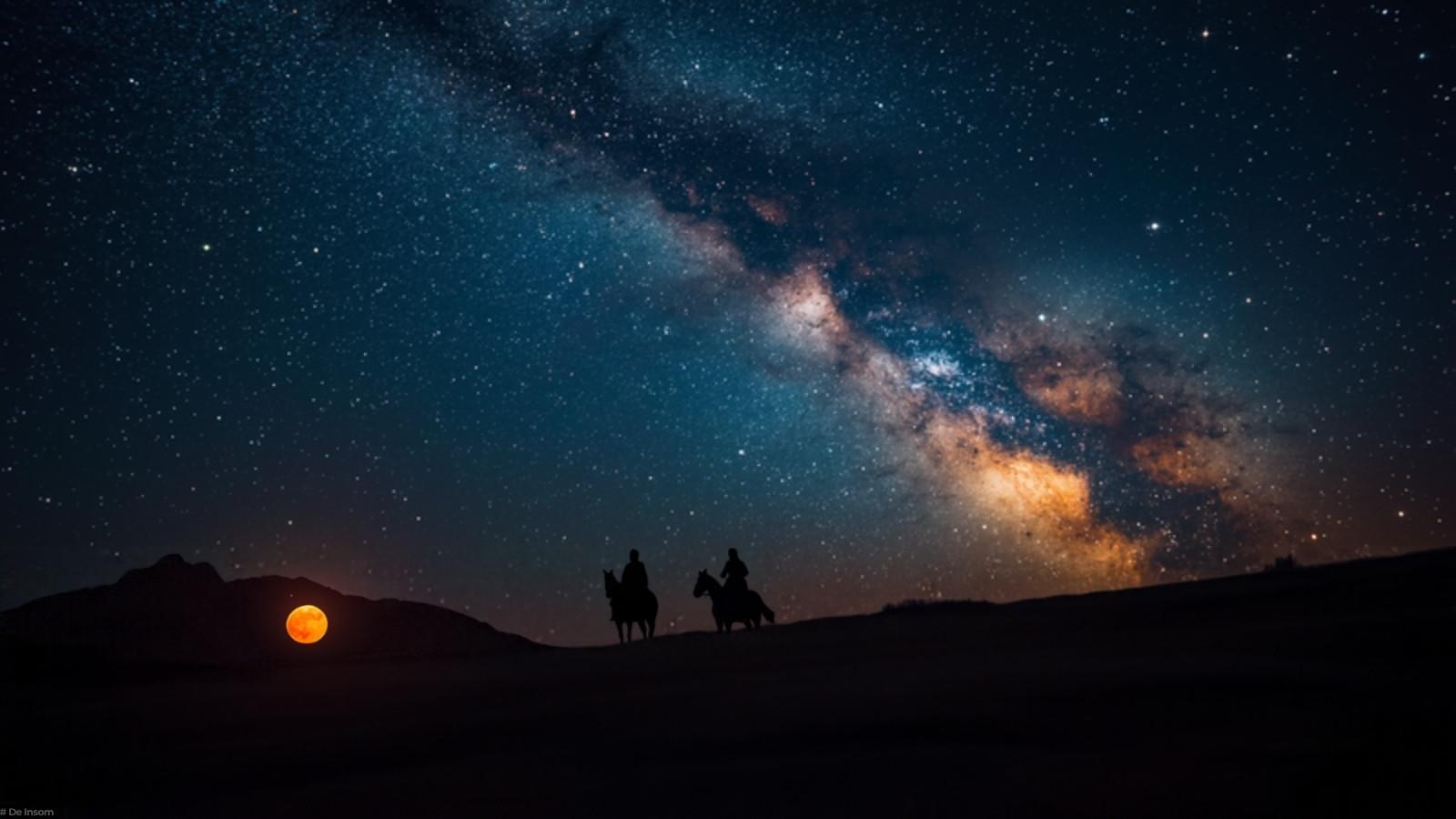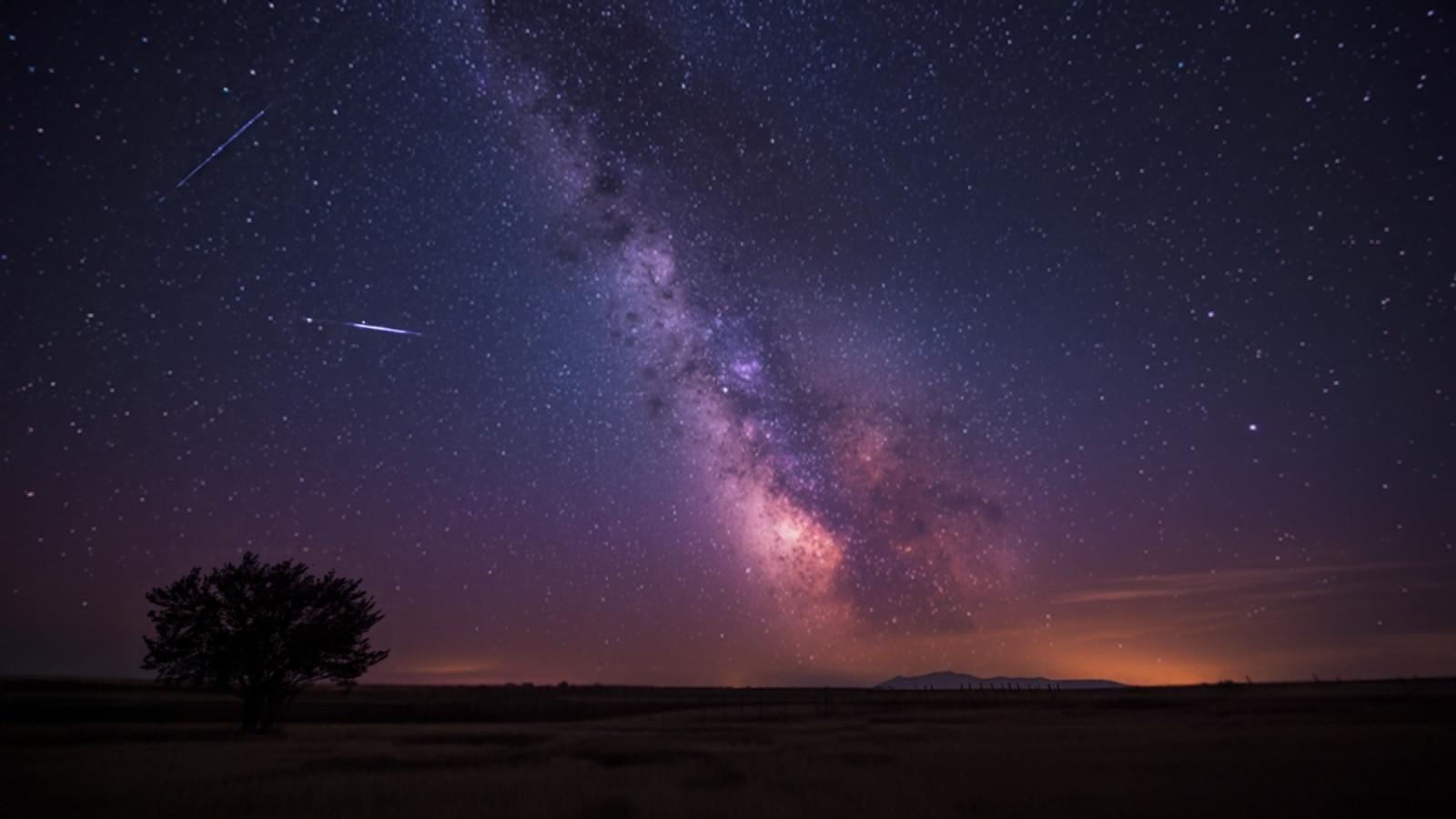

The Leonid meteor shower 2026 reaches its peak on the night of Tuesday, November 17 into Wednesday, November 18. The International Meteor Organization's calendar puts maximum at about 23:45 UTC on November 17 (6:45 p.m. EST, 02:45 on November 18 in Istanbul), while the American Meteor Society's prediction, quoted by EarthSky, is 00:00 UTC on November 18. Either way, the best show is after midnight local time, from anywhere in the Northern Hemisphere and much of the Southern.
Expect a modest, steady shower rather than a storm: around 10 to 15 meteors per hour under a dark sky, according to Space.com and the Royal Observatory Greenwich. What makes this year worth a cold night outside is the timing of the Moon, and an unusual pair of planets parked right beside the shower's radiant.
When to Watch the Leonids This Week
The shower is active from about November 6 to November 30, but rates climb only in the nights around maximum. Plan for the early hours of November 17 and November 18; Space.com notes that European observers are best placed on the morning of the 18th, while North Americans should try both mornings.
The Moon reaches first quarter at 11:48 UTC on November 17, so on peak night it is about half lit and sets around midnight. That leaves the most productive window, between moonset and the first light of dawn, free of moonlight. Our own calculations for peak night give these local times:
- London: Leo's sickle clears the horizon around 22:15, the Moon sets around 23:35, and the sky stays properly dark until about 06:00.
- New York: the radiant rises around 22:50, moonset is close to midnight, and good darkness lasts until about 05:40.
- Istanbul: the radiant rises around midnight, the Moon sets near 00:50, and dark sky holds until about 06:50 — the peak itself falls inside that window.
The radiant climbs higher as the night goes on, which is why the last two hours before dawn usually deliver the most meteors.
How to see Leonid meteors without a telescope
Find a spot away from streetlights, give your eyes 20 to 30 minutes to adapt, and keep your phone screen off. Lie back and look about halfway up the sky rather than straight at Leo; meteors can appear anywhere, and the ones that start away from the radiant leave longer trails. Leonids are among the fastest meteors of the year, hitting the upper atmosphere at about 71 kilometres per second according to NASA figures cited by Space.com, so many are bright and some leave a glowing trail for a second or two.
Why Mars and Jupiter are in the frame
The Leonids appear to stream from the Sickle of Leo, the backward question mark that forms the Lion's head. This November, Mars and Jupiter sit just below it after their close pairing on November 16, which we covered in our Mars Jupiter conjunction guide. Jupiter is the brightest point in that part of the sky, and Mars is the orange one beside it — an easy landmark for finding the radiant.
Where the Leonid Meteor Shower Comes From
The meteors are dust left behind by Comet 55P/Tempel-Tuttle, which circles the Sun about once every 33 years. When Earth crosses fresh debris near the comet's return, the Leonids can briefly turn into a storm: the 1833 display is estimated at around 100,000 meteors an hour by Royal Museums Greenwich, and this year marks 60 years since the famous 1966 storm. The comet is next due near the Sun in 2031, and EarthSky notes that no storm is expected in 2026.
What the Leonids Mean in Astrology
Meteor showers are not part of classical chart interpretation, but many astrologers treat a shower radiating from a sign as a symbolic spotlight on that sign's themes. This year the timing is striking. At the first quarter Moon on November 17, the Moon sits at 25° Aquarius, almost exactly opposite Mars and Jupiter at 26° Leo, with the Sun at 25° Scorpio between them. Astrologers read this kind of fixed-sign standoff as a moment when pride, loyalty and the wish to be seen pull against the need for fairness and space. Late that day the Moon moves into Pisces, softening the mood just as the meteors peak.
Here is a short reading by sign, using whole-sign houses from the Leo placement:
- Leo: the shower radiates from your own sign. Confidence is high; aim it at one clear personal goal. See your Leo daily horoscope.
- Aries and Sagittarius: fire-sign friends feel the spark in creativity (Aries) and plans for travel or study (Sagittarius).
- Aquarius: the Moon in your sign faces Leo energy in your partnership sector — listen before you argue.
- Taurus and Scorpio: home matters (Taurus) and career visibility (Scorpio) ask for steady, not stubborn, choices. Scorpio readers can check the Scorpio daily horoscope.
- Gemini, Libra: conversations and social plans light up; a group outing to watch the sky suits you well.
- Cancer, Virgo, Capricorn, Pisces: the action falls in quieter areas of money, rest, shared resources and daily work — a good night to step outside and simply look up.
Frequently Asked Questions
What time is the Leonid meteor shower peak in 2026?
Predictions range from 23:45 UTC on November 17 (IMO) to 00:00 UTC on November 18 (AMS). In practice, watch after midnight local time on the mornings of November 17 and 18.
How many meteors per hour will the Leonids produce?
About 10 to 15 per hour from a dark site, fewer from towns and cities. No outburst is forecast this year.
Will the Moon spoil the Leonids in 2026?
Not much. The first quarter Moon sets around midnight, so the best pre-dawn hours are dark.
Can I see the Leonids from the Southern Hemisphere?
Yes, though Leo rises later and lower there, so rates are lower. The hours just before dawn are best.
For the rest of the month's sky and chart highlights, including the Gemini full Moon on November 24, see our cosmic calendar. Dress warmly, give it an hour, and let the Lion do the rest.