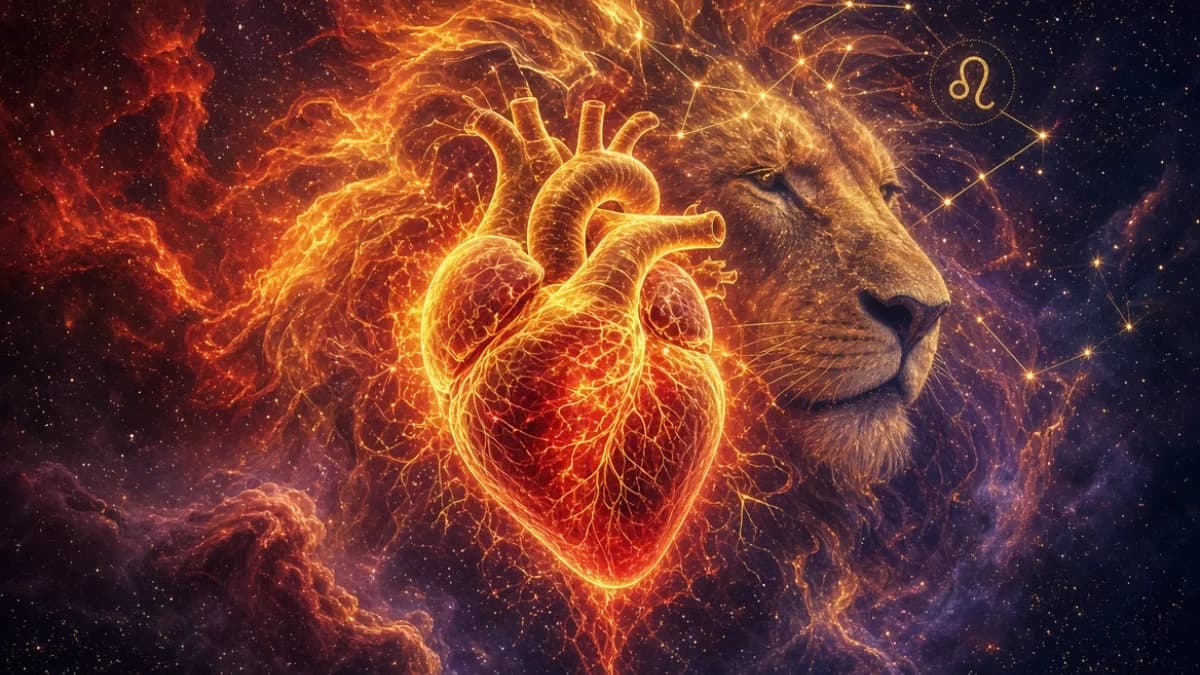

In the intricate language of medical astrology, every zodiac sign carries distinct vulnerabilities and strengths related to physical health. For Leo, the regal fifth sign of the zodiac, one organ stands paramount: the heart. This isn't merely poetic symbolism—it's a fundamental principle rooted in classical astrological tradition that modern practitioners and health-conscious Leos ignore at their peril.
The Leo-Heart Connection: Ancient Wisdom Meets Modern Health
Leo's rulership over the cardiovascular system is one of astrology's most consistent and well-documented correspondences. Governed by the Sun, Leo embodies vitality, creative life force, and the central organizing principle of existence. Just as the Sun sits at the center of our solar system, the heart sits at the center of human physiology, pumping life-giving blood to every cell in the body.
This correlation isn't arbitrary. Medieval and Renaissance astrologers, including the legendary Paracelsus, mapped each zodiac sign to specific organs and systems based on energetic principles and observed patterns. Leo's association with the heart, the circulatory system, and even the upper back reflects the sign's fundamental nature: central, powerful, and essential to survival.
The Fire Element Factor: As a fire sign, Leo operates with intense, expansive energy. Fire signs—Leo, Aries, and Sagittarius—are known for their passionate nature, rapid metabolism, and tendency toward excess. While this dynamism brings creativity and courage, it can also manifest as cardiovascular strain if not consciously managed. The Leo tendency toward dramatic living, stress-inducing situations, and emotional intensity can directly impact heart rate variability and blood pressure regulation.
Why Leos Face Unique Cardiovascular Challenges
Understanding Leo's astrological profile reveals several reasons why this sign must be especially vigilant about heart health:
- Excessive Pride and Stress: Leo's need to maintain a powerful, invulnerable image can lead to chronic stress. Leos often internalize pressure rather than seeking support, creating sustained cortisol elevation that directly damages cardiovascular function.
- All-or-Nothing Approach: Leos don't do moderation well. They either exercise intensely or not at all, eat indulgently or restrictively, and love dramatically or not at all. This extremism can create metabolic chaos and irregular heart rhythms.
- Emotional Intensity: The Leo heart doesn't just pump blood—it feels deeply. Emotional turbulence, romantic disappointment, and ego wounds can trigger genuine physiological responses: arrhythmias, palpitations, and stress-induced cardiomyopathy.
- Inflammation Tendency: Fire signs have a constitutional tendency toward inflammatory conditions. Chronic inflammation is the root cause of atherosclerosis, the leading cause of heart disease globally.
- Hypertension Risk: Leo's commanding energy and need for control can manifest as elevated blood pressure, particularly when circumstances feel beyond their control.
The Upper Back and Spine Connection
Beyond the heart itself, Leo rules the upper back and dorsal spine. Modern medical research confirms what astrologers have long understood: spinal health directly impacts cardiovascular function. Tension in the upper back restricts breathing, reduces oxygen flow, and creates postural misalignments that strain the heart. Many Leos, carrying the weight of their need to appear strong and invulnerable, develop chronic upper back tension that compounds cardiovascular stress.
Medical Astrology Recommendations for Leo Heart Health
Adopt Consistent, Moderate Exercise: Rather than intense bursts followed by sedentary periods, Leos benefit from steady-state cardiovascular exercise: swimming, cycling, or brisk walking. Aim for 150 minutes weekly of moderate intensity. Yoga, particularly heart-opening poses like Urdhva Mukha Svanasana (Upward-Facing Dog) and Bhujangasana (Cobra), directly supports Leo's heart chakra.
Manage Emotional Expression: Leo's challenge is learning that vulnerability isn't weakness. Regular emotional processing through journaling, therapy, or creative expression prevents the emotional congestion that literally constricts the heart. Leos should practice the mantra: "My strength includes my sensitivity."
Nutritional Considerations: Fire signs benefit from cooling, heart-protective foods. Incorporate omega-3 rich fish, leafy greens, berries rich in anthocyanins, and foods containing CoQ10 (crucial for cardiac muscle function). Reduce inflammatory triggers: excess caffeine, alcohol, and processed foods that exacerbate Leo's inflammatory tendency.
Stress Management Protocols: Meditation, particularly loving-kindness meditation, directly supports Leo's heart health while honoring the sign's need for meaningful spiritual practice. Even 10 minutes daily reduces blood pressure and heart rate variability.
Regular Cardiac Screening: Leos should establish baseline cardiovascular metrics by age 30: blood pressure, cholesterol panels, and resting heart rate. Annual check-ups aren't vanity—they're essential maintenance for the sign that rules the body's central engine.
The Psychological Dimension: Leo's Heart as Emotional Center
In medical astrology, the heart isn't merely a physical organ—it's the seat of will, authenticity, and core identity. For Leo, heart health encompasses emotional and spiritual dimensions. When Leos suppress their authentic self to maintain an image, deny their vulnerabilities, or operate from a place of fear rather than love, the heart literally suffers. Psychosomatic cardiology confirms that suppressed emotions, particularly shame and fear of inadequacy, directly trigger cardiac events.
The Leo path to heart health requires embracing paradox: being both strong and vulnerable, both proud and humble, both independent and connected to others.
Seasonal and Lunar Considerations for Leo
Leo season (July 23–August 22) represents the peak of solar intensity. During this period, Leos should be especially mindful of heat stress, dehydration, and overexertion. The Full Moon in Leo (occurring when the Sun is in Aquarius) is an ideal time for Leos to assess their heart health metaphorically and literally—to examine where they're giving too much, demanding too much of themselves, or neglecting self-care in pursuit of external validation.
FAQ: Leo Heart Health Questions
Q: Are all Leos destined to have heart problems? A: Absolutely not. Medical astrology identifies vulnerabilities, not destinies. Leos who consciously manage stress, maintain consistent exercise, and address emotional patterns have excellent cardiovascular health. Awareness is preventive medicine.
Q: Does my Leo Moon or Rising affect heart health the same way as a Leo Sun? A: Yes, though with nuance. A Leo Moon experiences emotional intensity related to the heart; a Leo Rising may present a strong exterior while struggling internally. All Leo placements benefit from the same heart-health protocols, though the underlying motivation differs.
Q: What's the best time for a Leo to have heart surgery or cardiac procedures? A: Electional astrology suggests avoiding procedures when the Moon or Mars aspects Leo's natal heart placements. Consulting a medical astrologer for optimal timing, combined with your cardiologist's recommendations, provides comprehensive care.
Conclusion: The Leo Heart's Greatest Strength
Leo's rulership of the heart isn't a burden—it's a calling. This sign's capacity for love, courage, and authentic self-expression represents humanity's highest potential. By honoring their heart's physical, emotional, and spiritual needs, Leos don't just extend their lifespan; they deepen their ability to shine their unique light into the world. Heart health for Leo is never merely medical—it's spiritual practice. It's the daily commitment to live authentically, love courageously, and recognize that true strength flows from a heart that's been tended with wisdom and compassion.